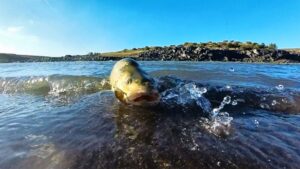
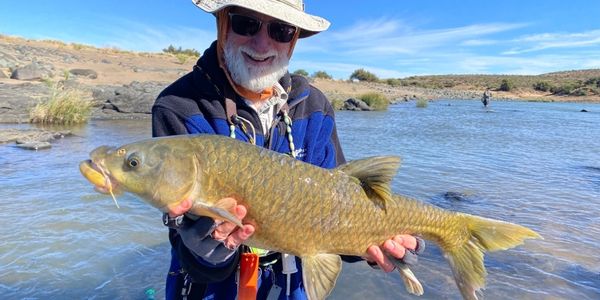
During periods when Smallmouth Yellowfish are actively feeding on the Orange River, I regularly notice that nine out of ten fish are hooked on the drop before the retrieve has properly started.
This is not something I see only occasionally. Whether fishing shallow runs, deep pools, current seams, or rocky margins, the pattern repeats itself often enough that it becomes impossible to ignore.
Many anglers focus on the retrieve, but some of the most exciting Smallmouth Yellowfish strikes happen in the first few moments after the lure touches the water.
Understanding why this happens, and how to take advantage of it, can completely change the way you approach Smallmouth Yellowfish fishing.
Smallmouth Yellowfish Behaviour Explained
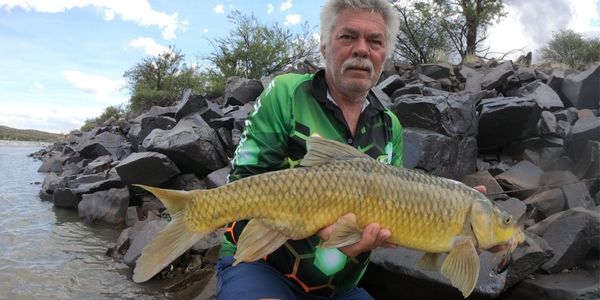
Smallmouth Yellowfish are social fish that mostly feed in groups. Wherever food is available, whether it is aquatic insects or other natural food sources, multiple fish may be competing for the same opportunity.
This competition is one of the reasons Smallmouth Yellowfish can become so aggressive when feeding. The first fish to react often gets the meal, while the rest of the school is left behind.
For anglers, this behaviour is important to understand. A lure or fly entering the water can trigger an immediate reaction from fish that are already competing for food. In many cases, the fish is not carefully inspecting the presentation. It is simply reacting before another fish gets there first.
That competitive instinct is one of the reasons Smallmouth Yellowfish are such an exciting species to target and why so many strikes occur immediately after the lure lands.
Why the Lure Drop Matters
How you present your lure on the drop is crucial.
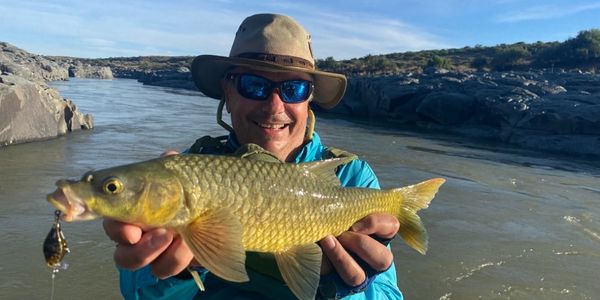
When making a cast, the lure should land naturally and remain in the splash area for a moment rather than being immediately jerked away. This is often the exact moment when the strike happens.
Line management now becomes critical. You need to stay in contact with the lure while still allowing it to behave naturally. Too much slack and you may never detect the strike. Too much tension and you can ruin the presentation before the fish has a chance to react.
When this is done correctly, the strike is often anything but subtle. The take can be hard and aggressive, loading the rod before the retrieve has even started. Many Smallmouth Yellowfish will immediately jump clear of the water in an attempt to throw the lure, turning a simple cast into an explosive and highly entertaining fight.
This small but important technique is one of the reasons so many anglers become addicted to targeting Smallmouth Yellowfish. Once you start recognising strikes on the drop and consistently converting them into hooked fish, every cast becomes more exciting.
One reason I have confidence in this observation is that I do not see it only in one type of water. I have witnessed the same reaction in shallow runs, deep pools, current seams, and along rocky margins. The common factor is not the depth or structure. The common factor is actively feeding Smallmouth Yellowfish.
Does Smallmouth Yellowfish Always React This Way?
No.
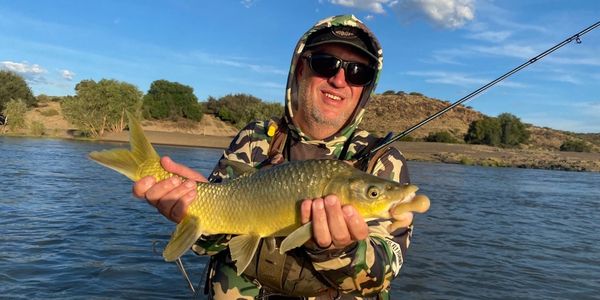
There are times when Smallmouth Yellowfish feed almost exclusively near the bottom, and there are periods when fish move away from shallow feeding areas and hold in deeper water where this presentation becomes less effective.
Like many observations in fishing, this is not a rule. It is a pattern that becomes noticeable when fish are actively feeding and competing for food.
What makes this observation interesting is that it is not limited to a specific type of water. I have seen the same response in shallow runs, deep pools, current seams, and along rocky margins. The common factor is not the structure or depth. The common factor is actively feeding Smallmouth Yellowfish exhibiting schooling behaviour.
Does This Apply to Fly Fishing?
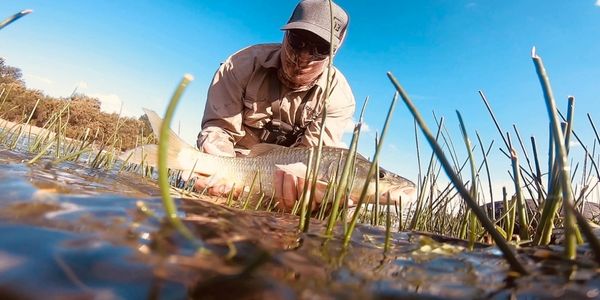
Yes, but a fly creates a very different presentation compared to a lure.
Many fly anglers focus on the drift, retrieve, or fly pattern while overlooking what could happen immediately after the fly lands. In my experience, Smallmouth Yellowfish can react to a fly in much the same way they react to a lure, especially when fish are actively feeding and competing for food.
My preferred flies for this presentation are Woolly Buggers and small streamers.
The technique is simple. Create a small to medium splash in the target area, repeat the presentation two or three times in the same spot, and then allow the fly to sink naturally through the water column. This technique is exactly the same as targeting catfish on fly.
This approach is particularly effective when targeting an area where fish are already holding. The splash, followed by the natural drop, often becomes part of the trigger that causes fish to react.
This method was first introduced to me by my friend, Ockie Schoeman. One of the reasons he enjoys it so much is that it allows anglers to cover water and locate active fish far quicker than traditional drift presentations.
Once You See It, You Can't Ignore It
This article was written for anglers who have never noticed this schooling and feeding behaviour or experienced the daily occurrence of catching nine out of ten Smallmouth Yellowfish on the drop.
My goal is not only to mention the technique, but also to encourage you to try it for yourself. When everything comes together and fish start getting caught on the drop, it can completely change the way you look at Smallmouth Yellowfish fishing.
One of the most rewarding parts of guiding anglers is watching them experience this for the first time. Many anglers have never paid attention to what happens immediately after the lure or fly lands. When they begin recognising the pattern and start hooking fish consistently on the drop, the excitement is shared by everyone involved.
It is not only about catching more fish. It is about recognising a feeding response that was happening in front of you all along.
Remember, this technique is only the first stage of the presentation. There are many other skills that come into play once the lure or fly enters the water. Understanding current, managing your retrieve, reading fish behaviour, and adapting to changing conditions are all important parts of becoming a better Smallmouth Yellowfish angler.
The next time you target actively feeding Smallmouth Yellowfish, pay close attention to what happens immediately after your lure or fly lands. You may discover that some of the most exciting strikes happen before the retrieve has even begun.
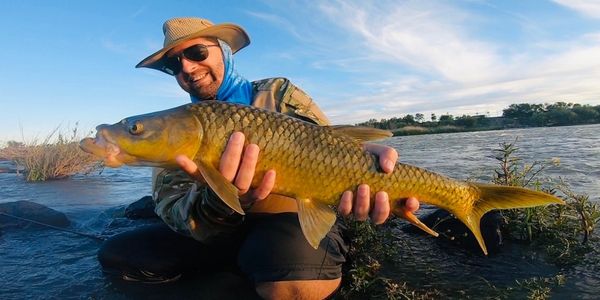
Smallmouth Yellowfish are one of South Africa’s most iconic freshwater species and have been extensively studied by SAIAB.
Experience It for Yourself
Reading about this behaviour is one thing. Seeing it happen in front of you is something completely different.
If you would like to experience Smallmouth Yellowfish feeding aggressively on the Orange River, join me for a guided fishing trip and see these techniques in action. One of the most rewarding parts of guiding is watching anglers recognise this pattern for the first time and then start hooking fish consistently on the drop.
Whether you are new to Yellowfish fishing or looking to improve your lure and fly presentation, spending time on the water is still the fastest way to learn.
If you would like more information about guided Orange River Yellowfish fishing trips, get in touch and let’s plan your next adventure.