
Most anglers fish too deep for Largemouth Yellowfish — and that’s exactly why they miss fish.
After years of guiding on the Orange River in the Northern Cape of South Africa, I’ve learned that big Largemouth Yellowfish and Smallmouth Yellowfish do not always sit glued to the bottom. In many situations, especially around rocky structure and feeding zones, these fish move upward aggressively to attack prey.
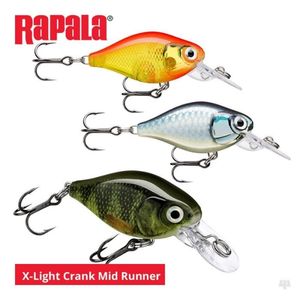
That is why I almost always begin with shallow diving lures — even when fishing deeper water.
Why Shallow Diving Lures Work So Well
One of the biggest mistakes anglers make when targeting Yellowfish is fishing too fast and too deep from the start.
On the Orange River, Largemouth Yellowfish are highly aggressive predators. They often position themselves near structure, current seams, drop-offs, and rocky ledges where baitfish move through naturally.
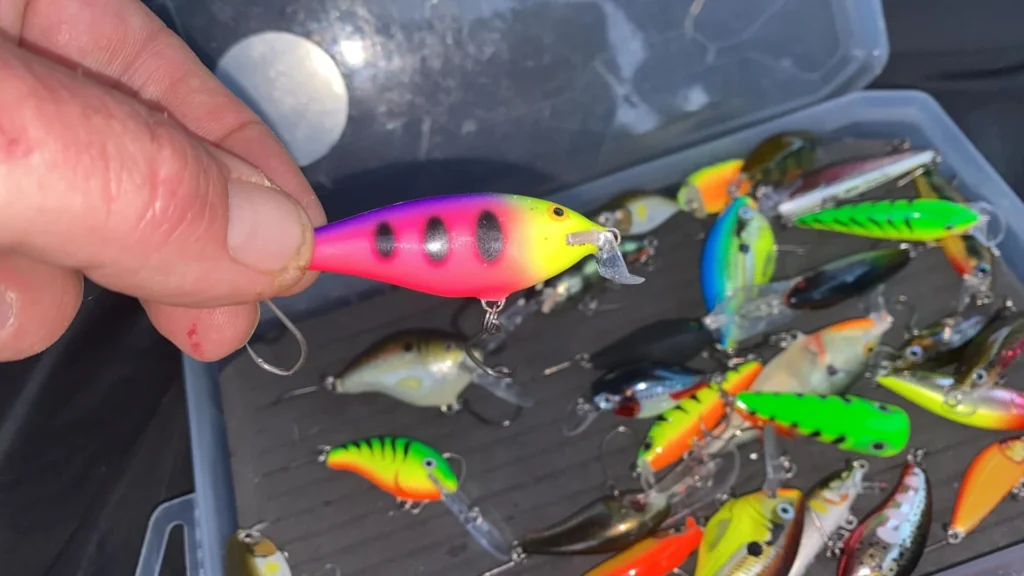
A shallow diving lure allows you to:
Cover water faster
Avoid unnecessary snagging
Trigger reaction strikes
Fish rocky structure more effectively
Present a lure naturally in moving water
This surprises many anglers because they assume Yellowfish always remain close to the riverbed. In reality, actively feeding fish often move vertically through the water column when a lure passes naturally through their feeding zone.
In many cases, a fish will move several meters upward to attack a lure if the retrieve speed and angle look natural.
Fishing Structure on the Orange River
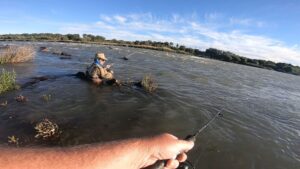
The Orange River offers endless structure for targeting trophy Yellowfish. Rocky shelves, current lines, submerged ledges, and pressure points all create feeding opportunities for predatory fish.
Many anglers assume a lure must constantly contact the bottom to catch Yellowfish around structure. In reality, fish often position themselves beside, above, or downstream of rocky features and will move to intercept a lure that passes naturally through the feeding zone.
Many anglers immediately drag deep-running lures through the rocks and spend more time getting stuck than actually fishing effectively.
A shallow diving lure keeps you in the strike zone longer while reducing snagging dramatically.
Many follows occur when Yellowfish are interested in a lure but do not fully commit. Learning why Yellowfish follow lures without striking can help anglers make small presentation changes that convert more follows into landed fish.
This becomes especially important when guiding clients on technical water where repeated snagging destroys rhythm and confidence.
Aggressive Strikes from Big Largemouth Yellowfish
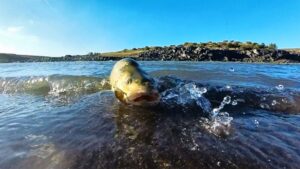
Some of the most explosive strikes I’ve seen while guiding happen on shallow divers worked over structure in surprisingly shallow water.
Large Orange River Yellowfish are opportunistic predators. When conditions line up correctly, they feed aggressively and commit hard to moving lures.
The key is confidence and consistency: fish where the fish WANT to attack.
While deep diving lures certainly have their place, understanding the advantage of presenting a shallow diving lure over structure can dramatically increase aggressive takes from Yellowfish, as fish are often more willing to move up and intercept prey than chase a lure worked deep below them.
The way a lure moves through the water often plays an even bigger role than the lure itself. Understanding lure presentation, retrieve speed, and casting angles can help anglers consistently trigger these aggressive reaction strikes.
Best Conditions for Shallow Diving Lures
Shallow diving lures are often most effective when Yellowfish are actively feeding around rocky structure, current seams, and shallow feeding zones. They can also perform exceptionally well in clear water and very deep pools where fish are willing to move upward to intercept a lure.
During periods of aggressive feeding activity, a shallow diver allows anglers to cover water efficiently while presenting a lure naturally through productive areas. However, when fish become less active or hold deeper in the water column, switching to a deeper-diving lure may become necessary to maintain contact with the feeding zone.
Guided Yellowfish Fishing on the Orange River
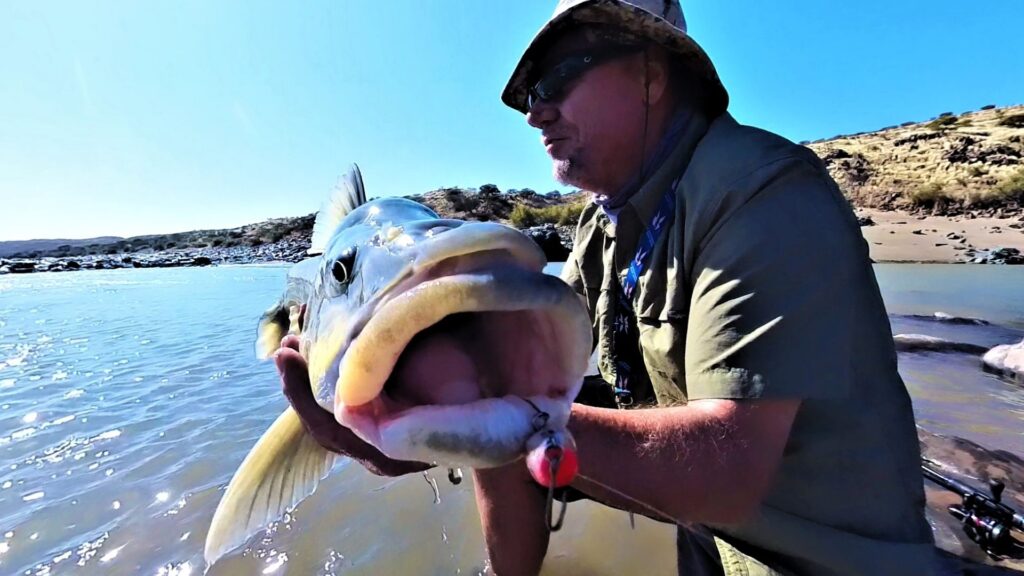
During a guided trip, anglers learn far more than simply where to cast. Understanding how fish position around structure, how changing river conditions affect feeding behaviour, and how lure presentation influences strikes can dramatically improve long-term success on the Orange River.
Many of the concepts covered in this article, including lure depth, casting angles, retrieve speed, and reading productive water, become much easier to understand when applied in real fishing situations.
A guided Yellowfish fishing trip provides the opportunity to shorten the learning curve and gain practical experience targeting both Largemouth and Smallmouth Yellowfish under real river conditions.
Many anglers spend years experimenting with lure depth, retrieve speed, and presentation before fully understanding how Yellowfish behave under different river conditions. During a guided trip, these concepts can be demonstrated in real time, allowing anglers to see how fish position around structure, how changing conditions influence feeding behaviour, and why small adjustments in presentation often make the difference between follows and committed strikes.
Learn More About Choosing the Right Yellowfish Lure
While shallow diving lures are often my first choice, lure selection always depends on water depth, structure, current speed, and fish behaviour.
For a complete breakdown of the lures I use throughout the season, read my guide:
Best Lures for Yellowfish: How I Choose the Right Lure on the Orange River
Experience Orange River Yellowfish Fishing First-Hand
Reading about lure presentation, fish behaviour, and productive structure is valuable, but nothing replaces time on the water.
During guided trips I regularly demonstrate when shallow diving lures outperform deeper-running lures and how small adjustments in presentation can dramatically increase Yellowfish catches.
At Bo Karoo Fishing, I guide anglers targeting both trophy Largemouth Yellowfish and Smallmouth Yellowfish on exclusive Orange River water. During a guided trip you’ll learn how to identify feeding zones, choose the right lure depth, adjust retrieve speed, and present shallow diving lures naturally in changing river conditions.
Whether you’re new to Yellowfish fishing or looking to improve your results, a guided trip can dramatically shorten the learning curve.
Ready to fish the Orange River?
Contact me on WhatsApp to discuss available dates and guided fishing packages.